Tampilkan postingan dengan label historical. Tampilkan semua postingan
Tampilkan postingan dengan label historical. Tampilkan semua postingan
Selasa, 08 April 2014

Rabu, 02 April 2014
Model T work horse / logging truck

How in the world it was able to move that log, and the log on the trailer, on anything but level and dry surface is a mystery
Found on http://antigosverdeamarelo.blogspot.ca/2011/11/torpedo-ford-tt.html
Selasa, 01 April 2014
a website that collected a LOT of early car advertisements


Check them out if you're just out to browse, or looking for a particular maker http://www.earlyamericanautomobiles.com/advertising.htm
Senin, 31 Maret 2014


WW2 mileage ration sticker and info


.jpg)


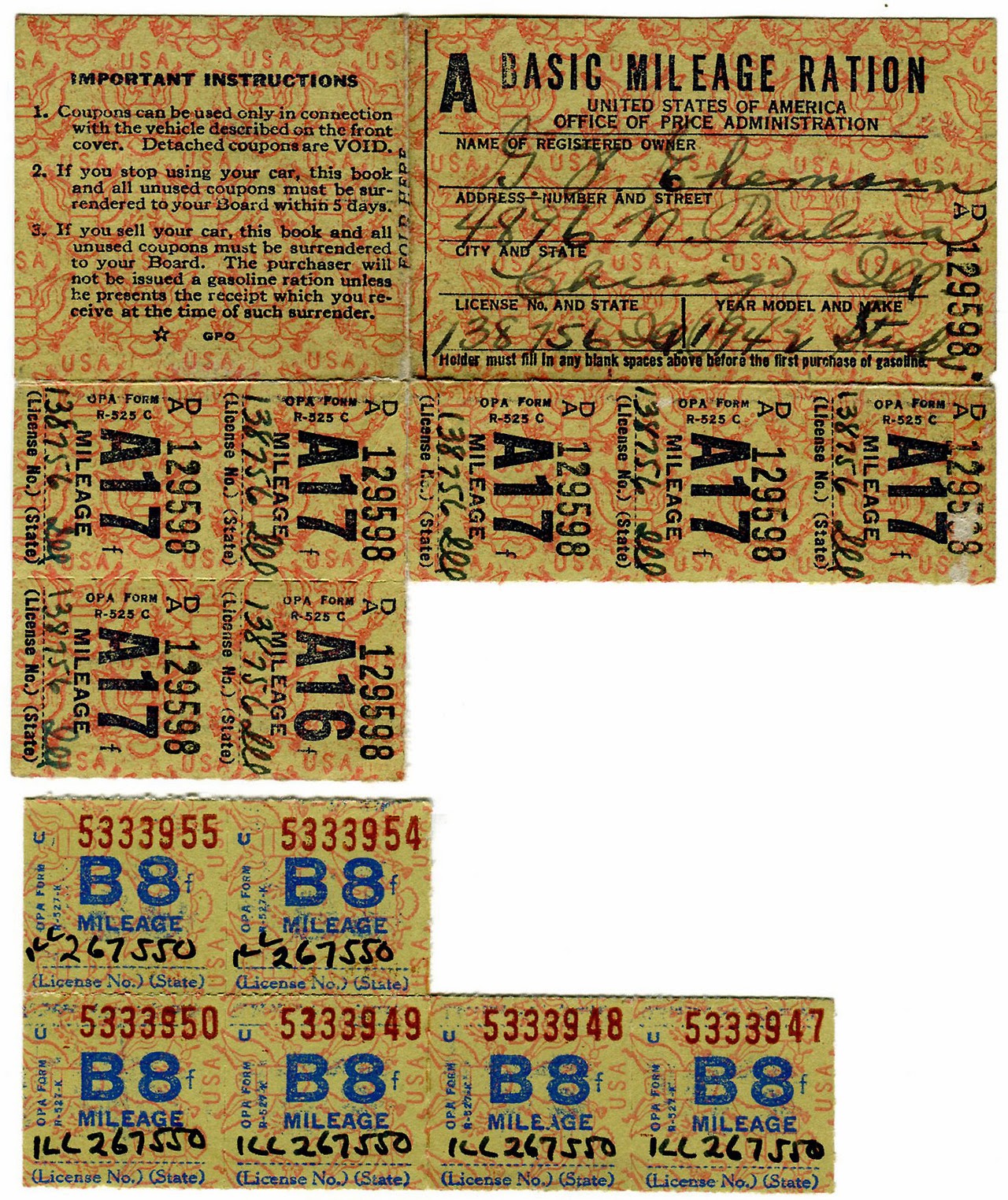

There were six different window stickers and even a “R” one for farm vehicles. These were a part of everyday life. So much so they became part of popular culture, like at the end of this classic Bugs Bunny when his crashing plane doesn’t crash because it runs out of gas. Why, because he only had an “A” sticker.
An interesting yet lesser known fact is that the rationing wasn’t really created to control fuel consumption, but was there to help save on tires. Gasoline could be made domestically, but rubber trees don’t grow here (at least not in mass quantity). That raw material came from Asia, which of course was controlled by Japan at the time. That’s why if you look closely at the paperwork you’ll see a lot of references to mileage and tire inspections. There was even a national speed limit of 35 MPH put in place to help curb tire wear.
Found on http://familyephemera.tumblr.com/post/73744494852/rationing-was-a-way-of-life-during-wwii-from
I didn't realize that Petrolicious was also posting about the rationing, but they focused on Canadian and European
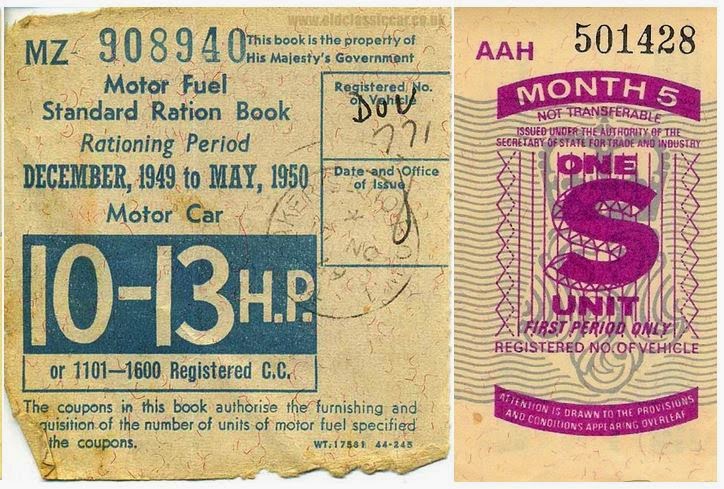


found on
http://www.petrolicious.com/wwii-era-gas-ration-coupons-remind-us-how-lucky-we-are
my friend Tris has her parents WW2 ration book, and let me take photos of it:


Jumat, 21 Maret 2014
reporter tags along with Bob Burman around Indianapolis in 1909.. it's a hell of a bumpy filthy noisy ride.


Bob Burman, Land Speed world record setter in the Blitzen Benz on Ormand Beach
Found on http://www.firstsuperspeedway.com/articles/indianapolis-speedway-first-races-8
Rabu, 19 Maret 2014
Packard video about getting the word for the body structure... from where I was born and raised, the Upper Penninsula of Michigan

the horses are hitched to the truck... how under powered is the truck engine for that load? I doubt anyone would put that much wood in a new 1500 Dodge, Chevy, or F150 Ford!

Among a treasure trove of 1920's and 30's Packard videos https://www.youtube.com/user/mrpitv/videos?sort=dd&shelf_id=1&view=0
Thanks to George!

Selasa, 18 Maret 2014

Minggu, 09 Maret 2014

Senin, 03 Maret 2014
The Boeing 40, the lowest bidder in the 1925 Post Office contract for San Fran to Chicago air delivery

When the Post Office asked for bids on the Chicago-San Francisco route in 1927, Boeing won with the lowest bid. In 5 months they had modified a 1925 design and built 25 examples of the plane shown above, the big and rugged 40A. By mid year they had pioneered the first comprehensive air transport service in America. With a 400 hp Pratt and Whitney, the planes cruised at 110 mph while carrying a 1000 lb payload of mail and passengers. Seventy seven were built between 1925 and 1932. Three remain, one each at the Henry Ford Museum, The Museum of Science and Industry in Chicago and the sole flying example based at the Western Antique Aeroplane and Automobile museum in Hood River, Oregon
Found on http://progress-is-fine.blogspot.com/2014/01/boeing-40a.html
Sabtu, 01 Maret 2014
the '65 Winternats on the ABC Wide World of Sports

Above: Jerry Caudle of Chicago with a furry material all over his helmet... cool funny idea! (number 1093 at http://www.draglist.com/draglist/category.php?CATEGORY%5B0%5D=TOPFUEL&x=dragsters&SORTBY=MPHRANK+DESC%2CTRUEMPH+DESC%2CETRANK+DESC%2CTRUEET&VIEW=Extended&page=35 )
Found on http://bangshift.com/blog/watch-the-opening-four-minutes-of-the-1965-winternationals-coverage-featured-on-wide-world-of-sports-video.html
Jumat, 28 Februari 2014
Taxis saved Paris from surrendering in WW1

By mobilizing the taxis of Paris, 6000 men were transported to the front line, and saved Paris.
Found on http://guiadoestudante.abril.com.br/aventuras-historia/taxis-servico-exercito-frances-primeira-guerra-mundial-735023.shtml
Langganan:
Postingan (Atom)